 Image 1 of 5
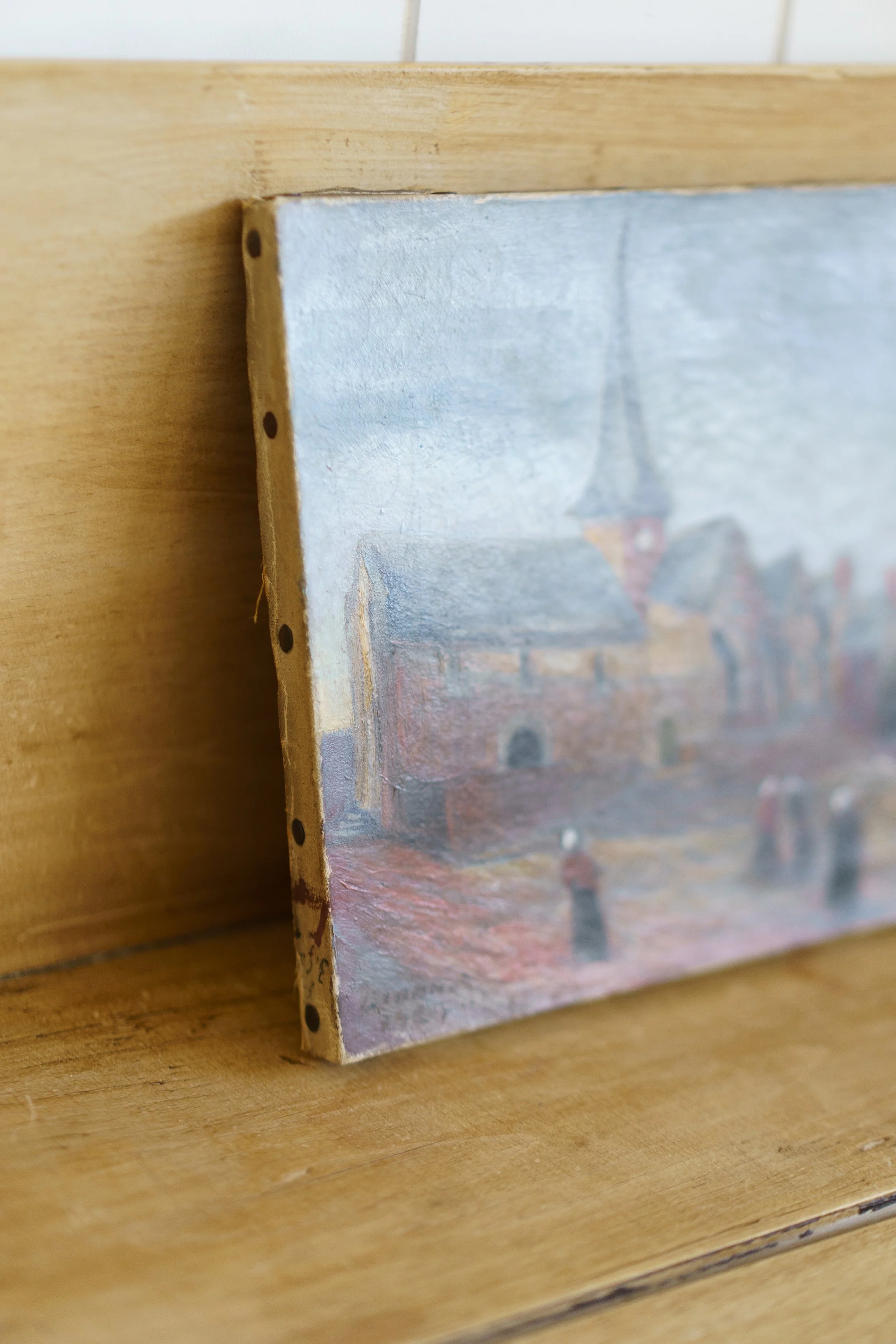 Image 2 of 5
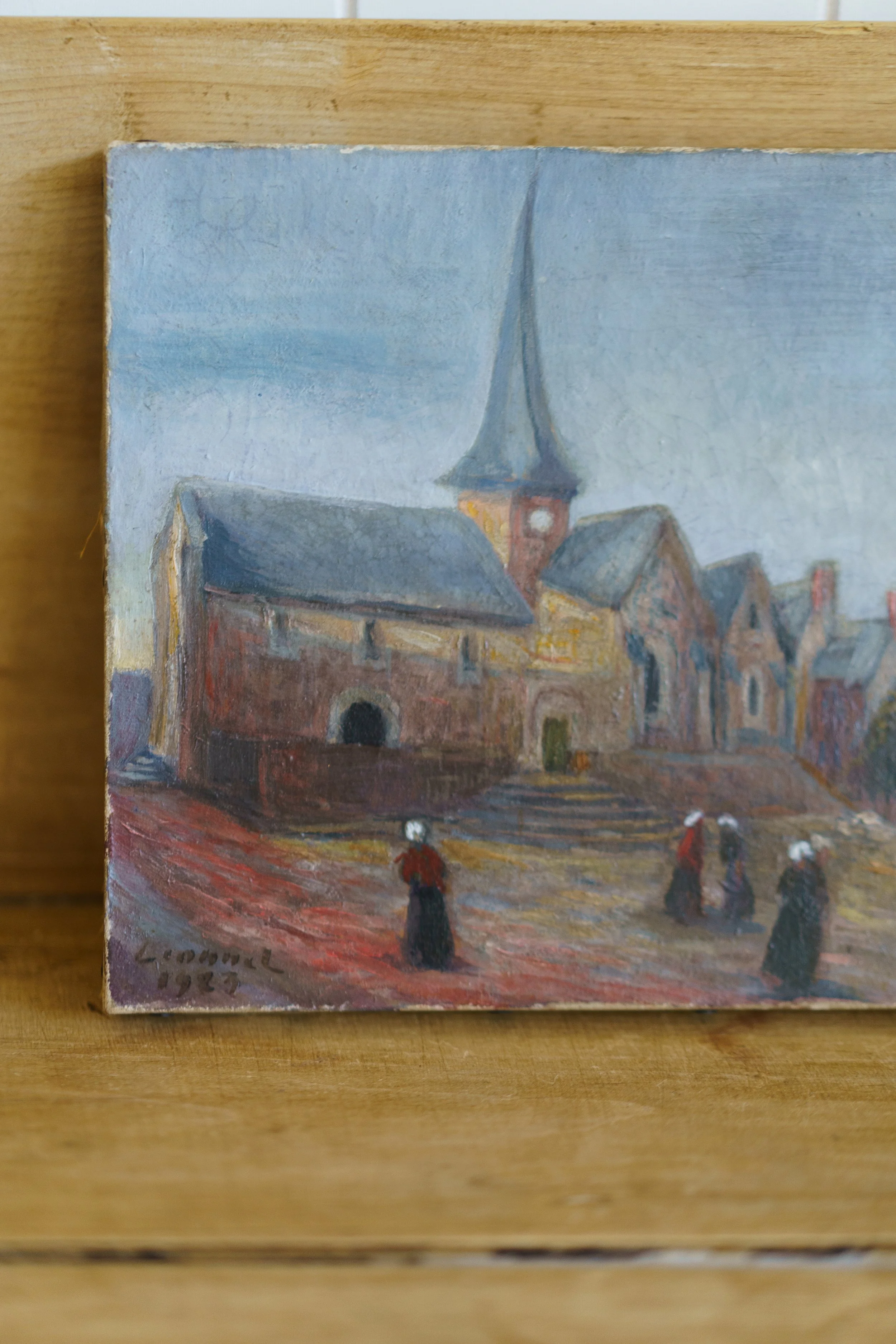 Image 3 of 5
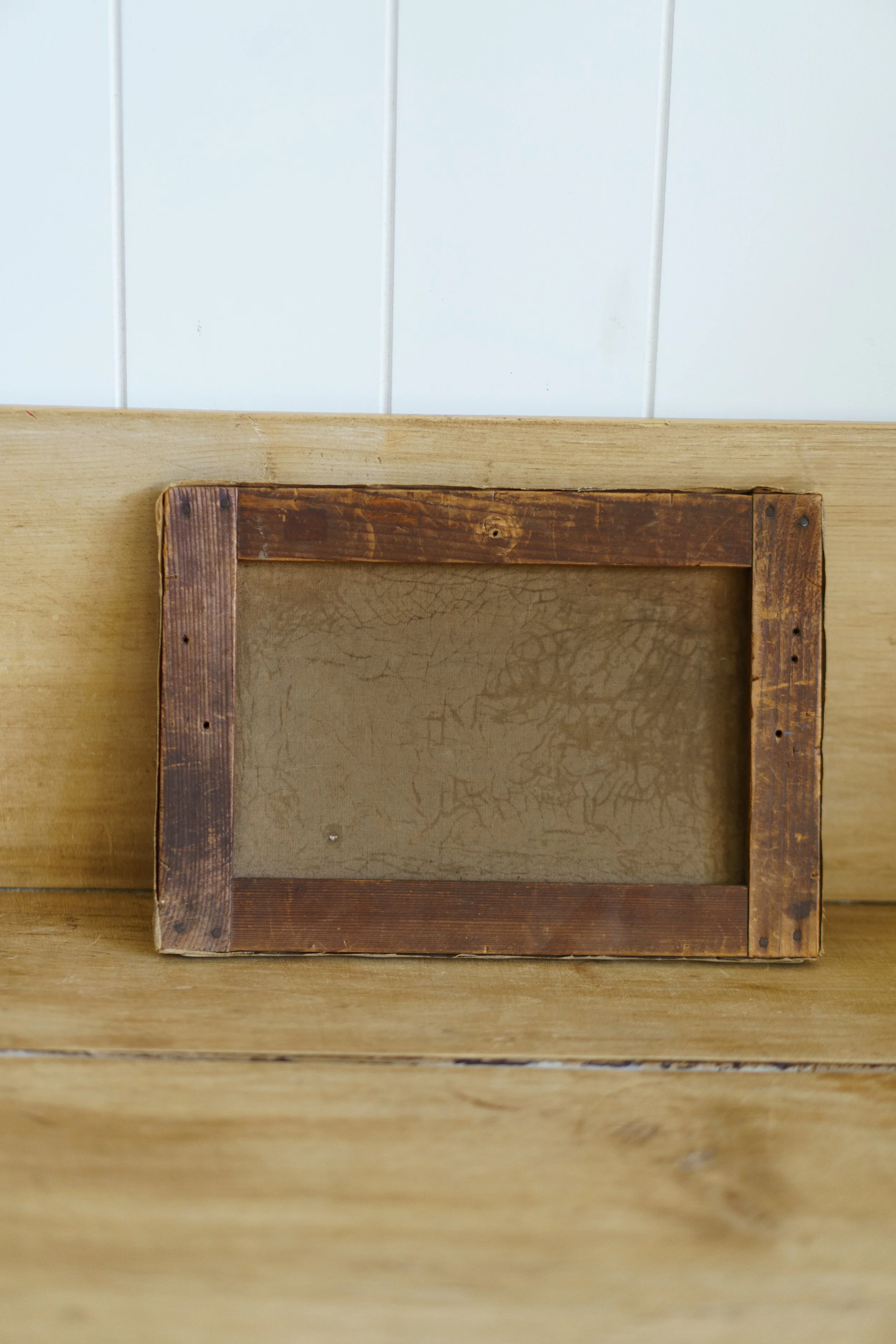 Image 4 of 5
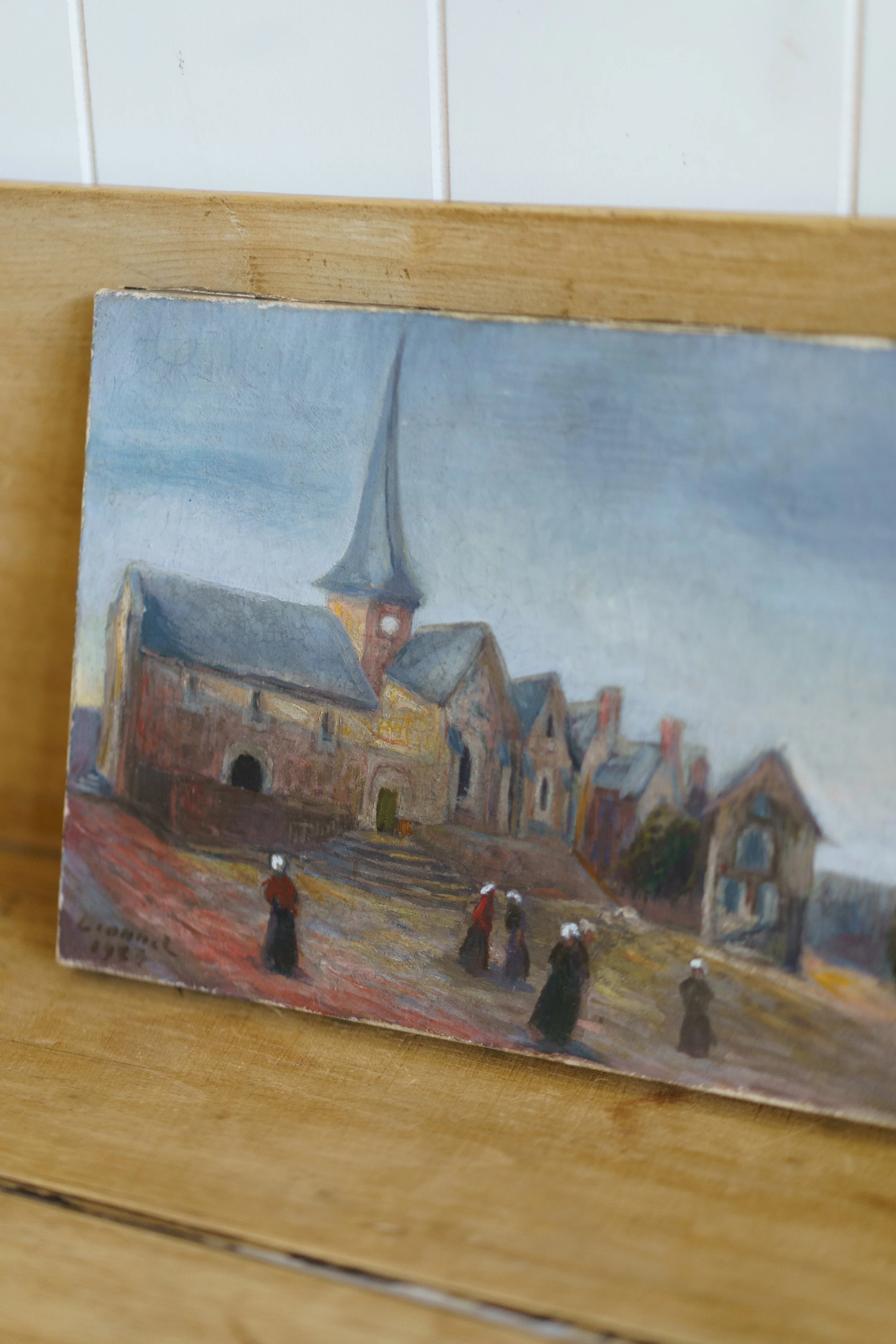 Image 5 of 5
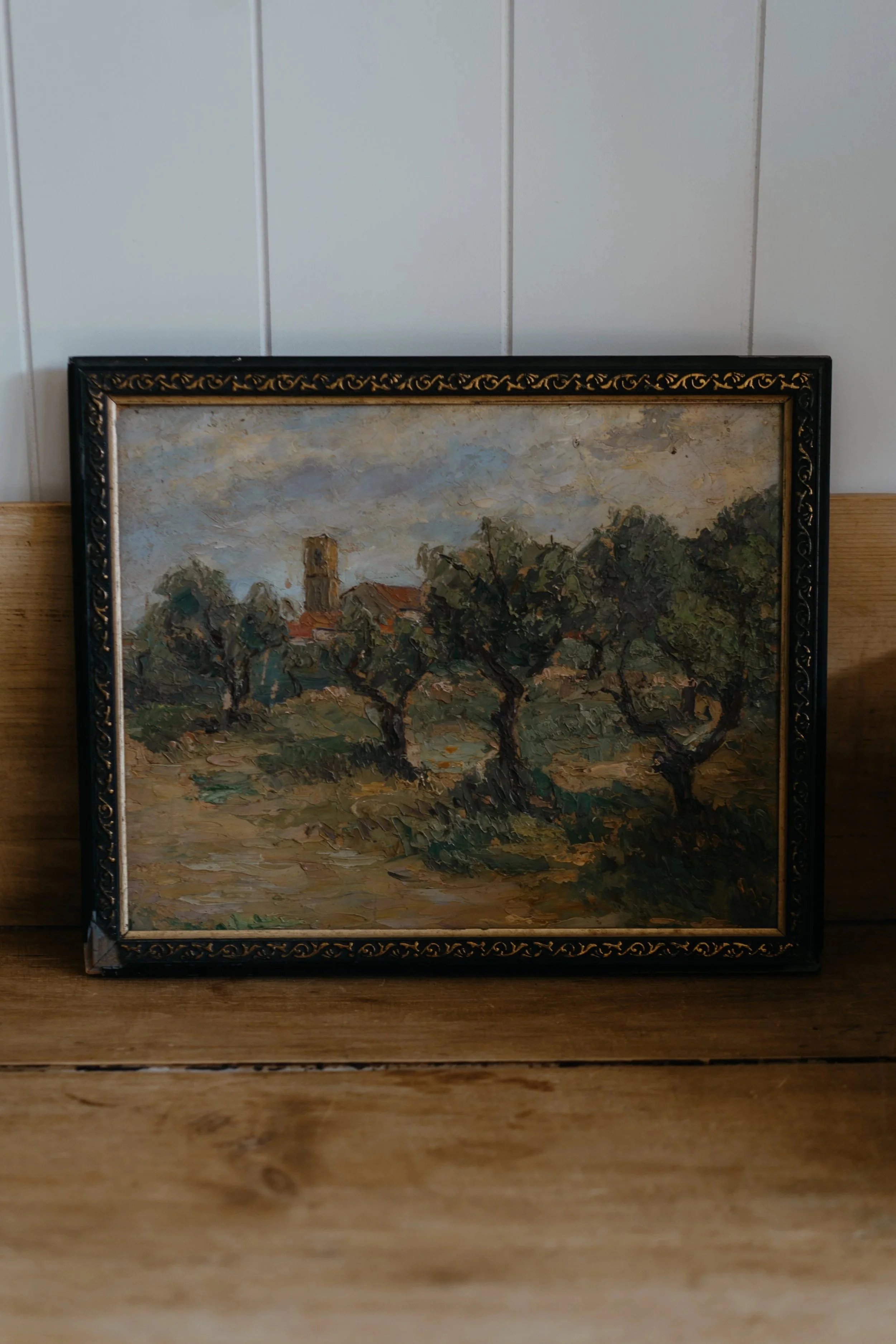
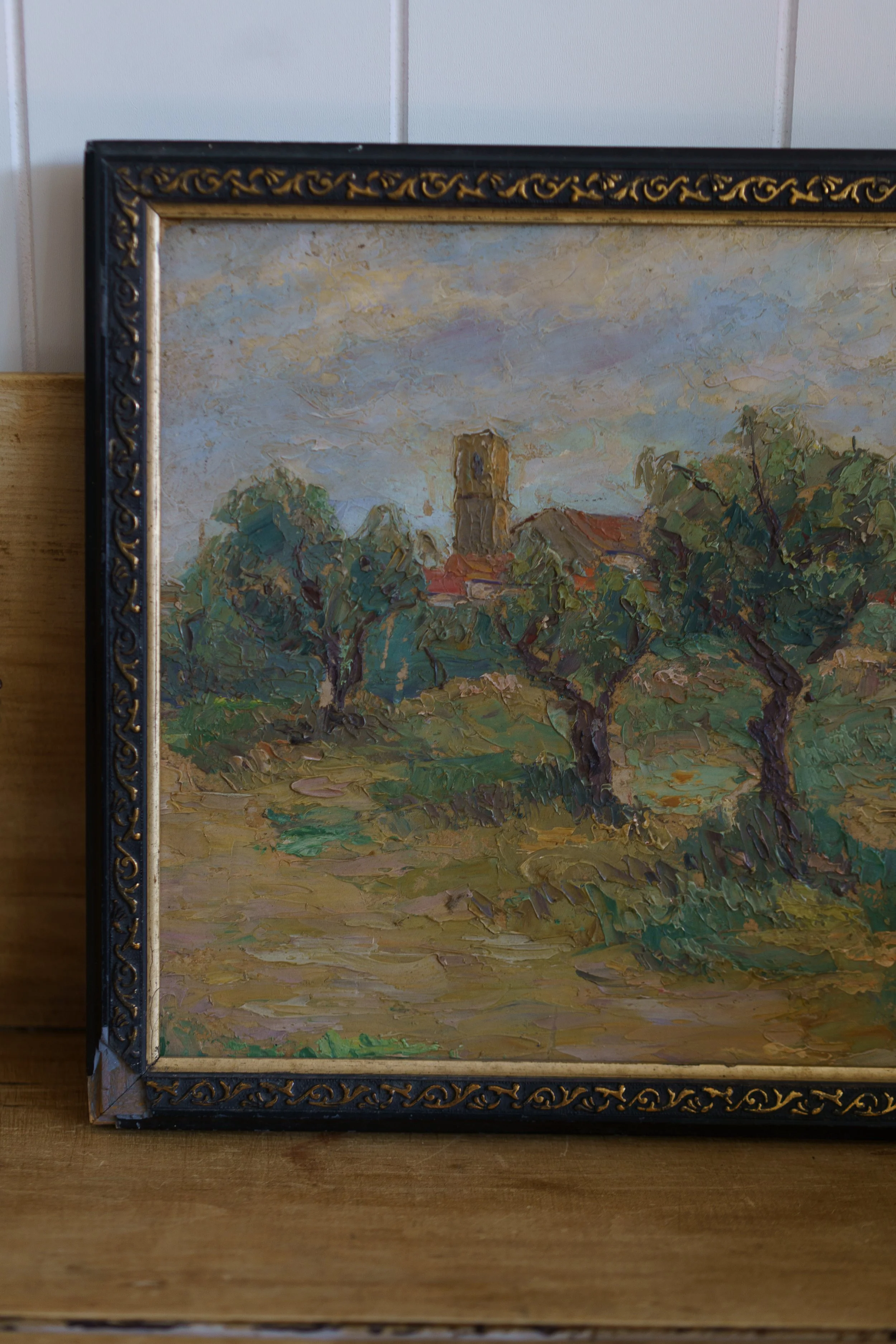
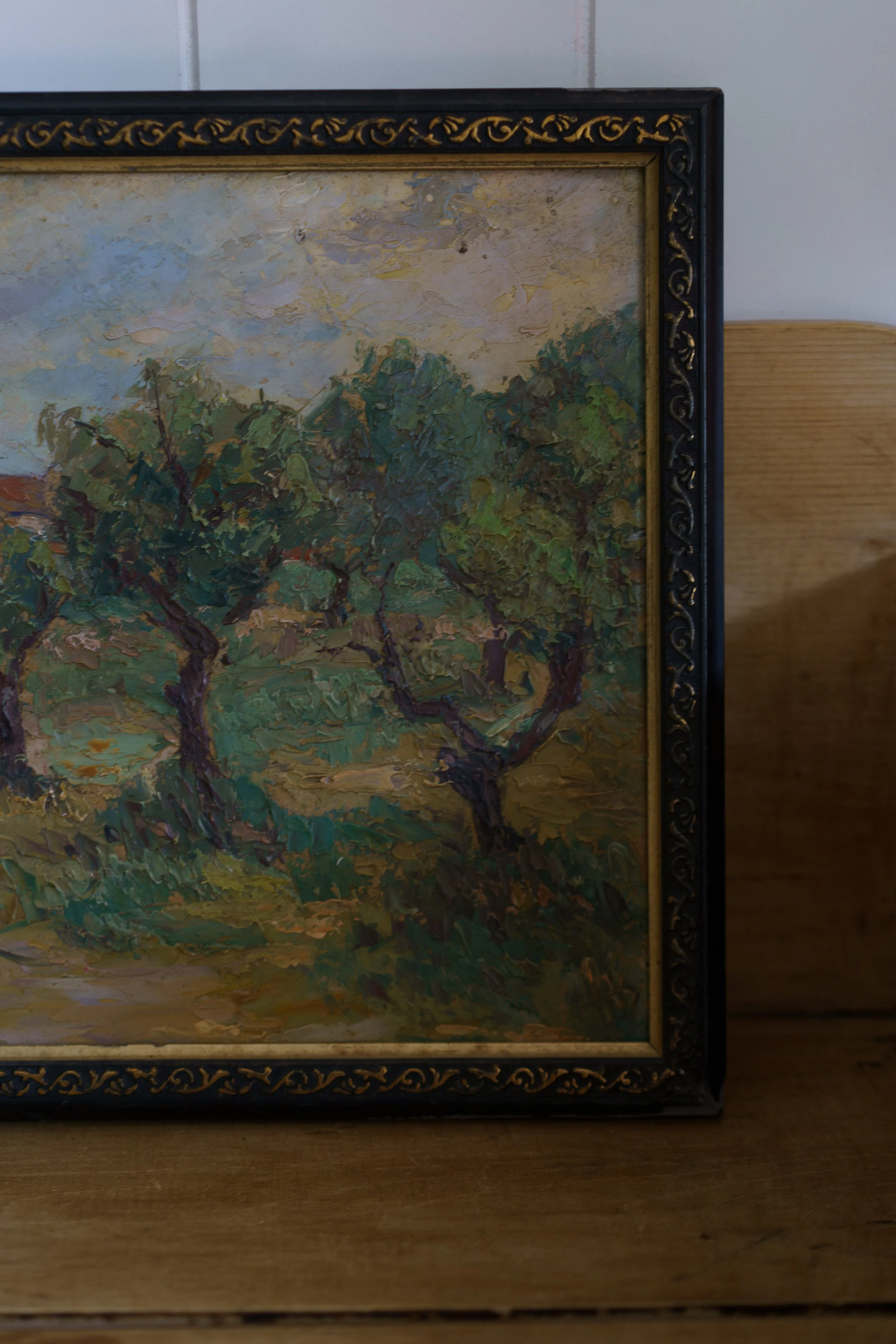
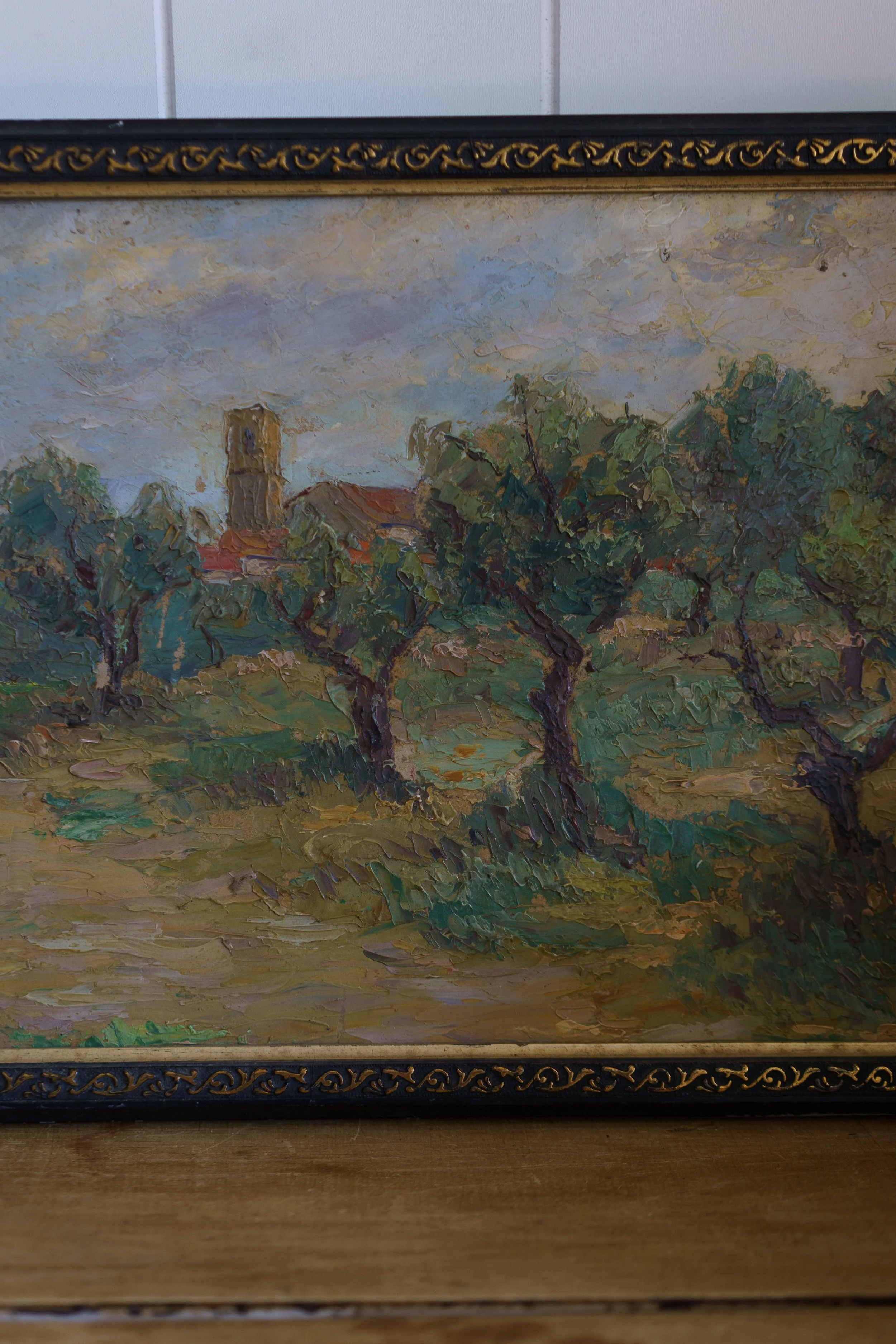
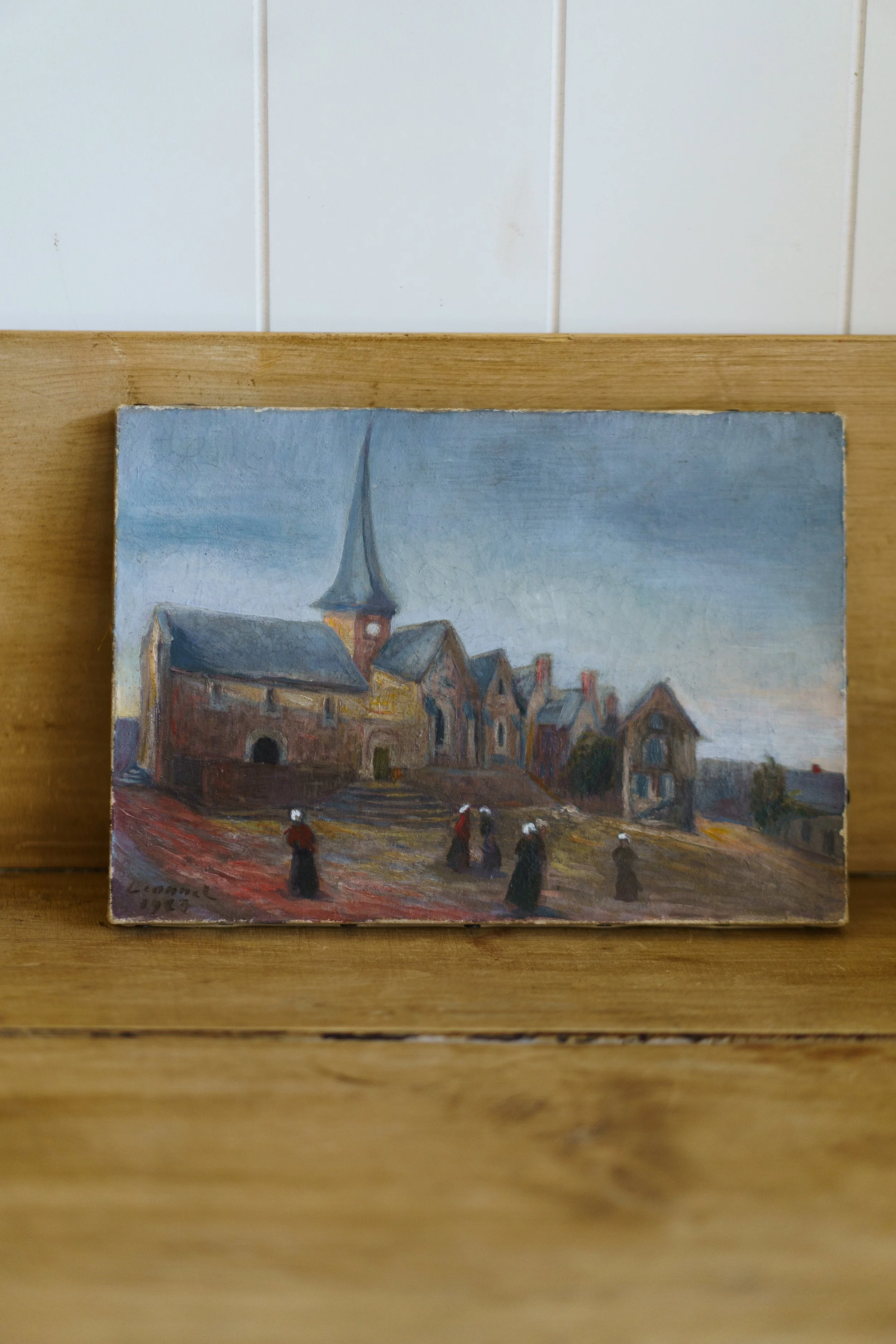
Independent landscape painters across provincial France and Belgium, made these small oil studies in the early twentieth century. They chased light and weather in quick, decisive strokes, favoring portable canvas boards and oils so they could capture a church steeple, a farmhouse, or a village lane before the moment slipped away.
In Brittany you’ll sometimes spot women in those crisp white coiffes—the lace headdresses that read like a whole language of place and life. Some are modest caps; others rise into tall, structured crowns. They announce village, age, and marital status across the region’s many traditions. Brittany is small but famously varied: officially sixty‑six costume traditions, and even more coiffes, each one a delicate code. For a girl on the cusp of marriage, for a married woman, for a widow—the headdress must differ. Materials shift from embroidered calico to fine lace, shapes from simple pieces over a bun to towering constructions with trailing ribbons, but the throughline is always white and quietly deliberate.
These tiny oils are like secret windows into day-to-day rhythms; market mornings, church bells, neighbors greeting one another on a lane. Middle‑class buyers in the city hung them in parlors and dining rooms as keepsakes: reminders of roots, little vacation reliquaries, an invitation to feel grounded. They brought a touch of community, ritual, and place into interiors that otherwise spun with modern life.
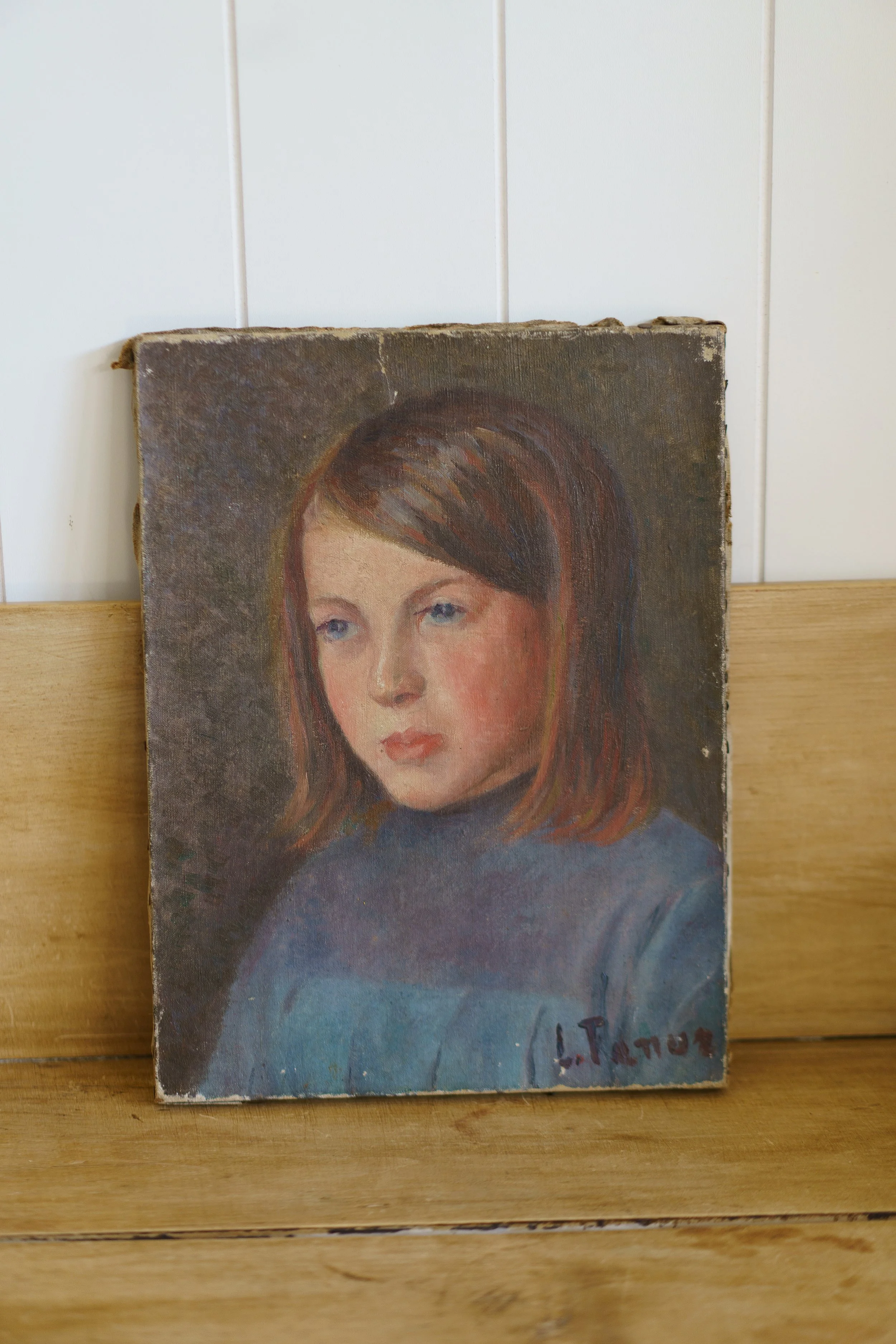
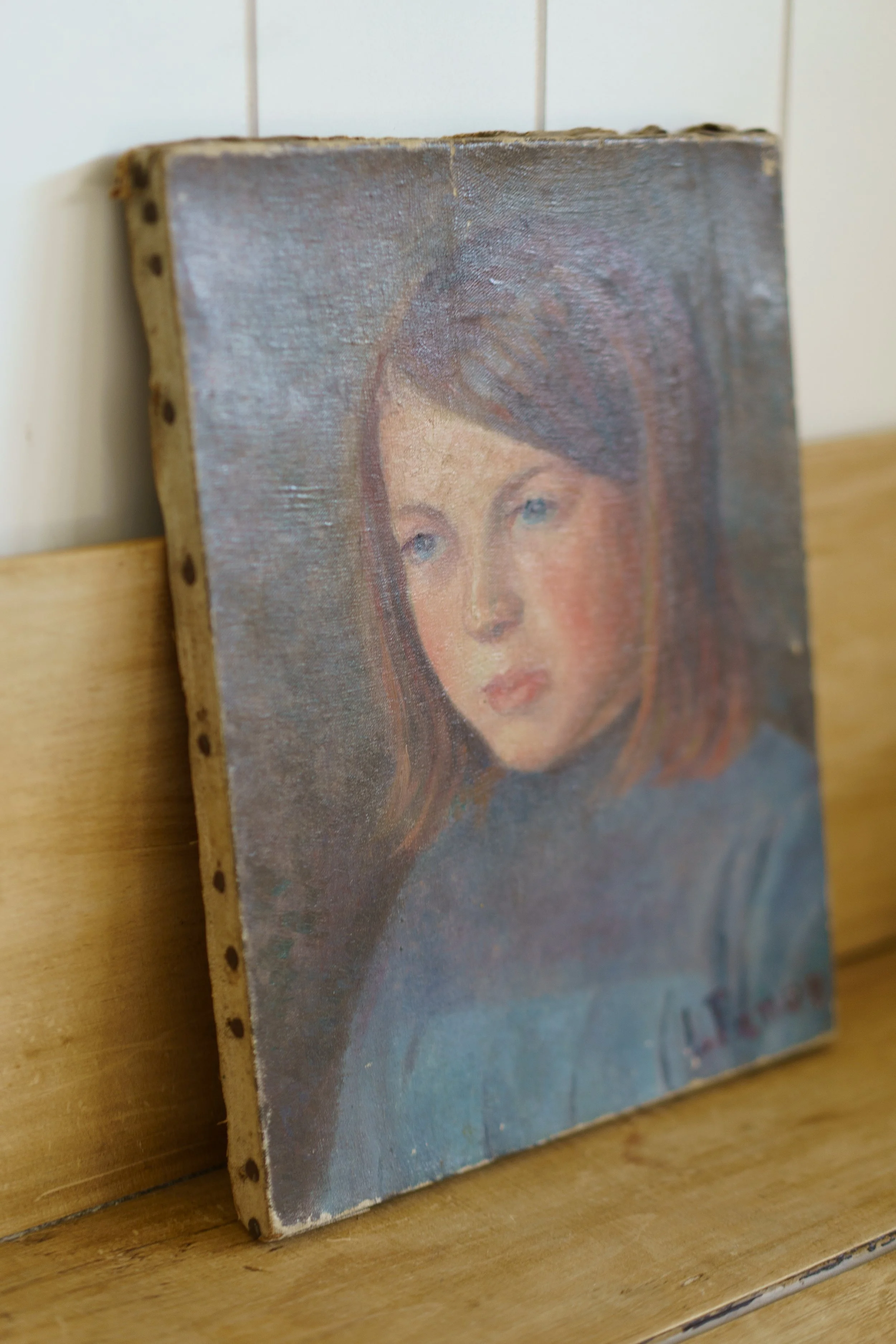
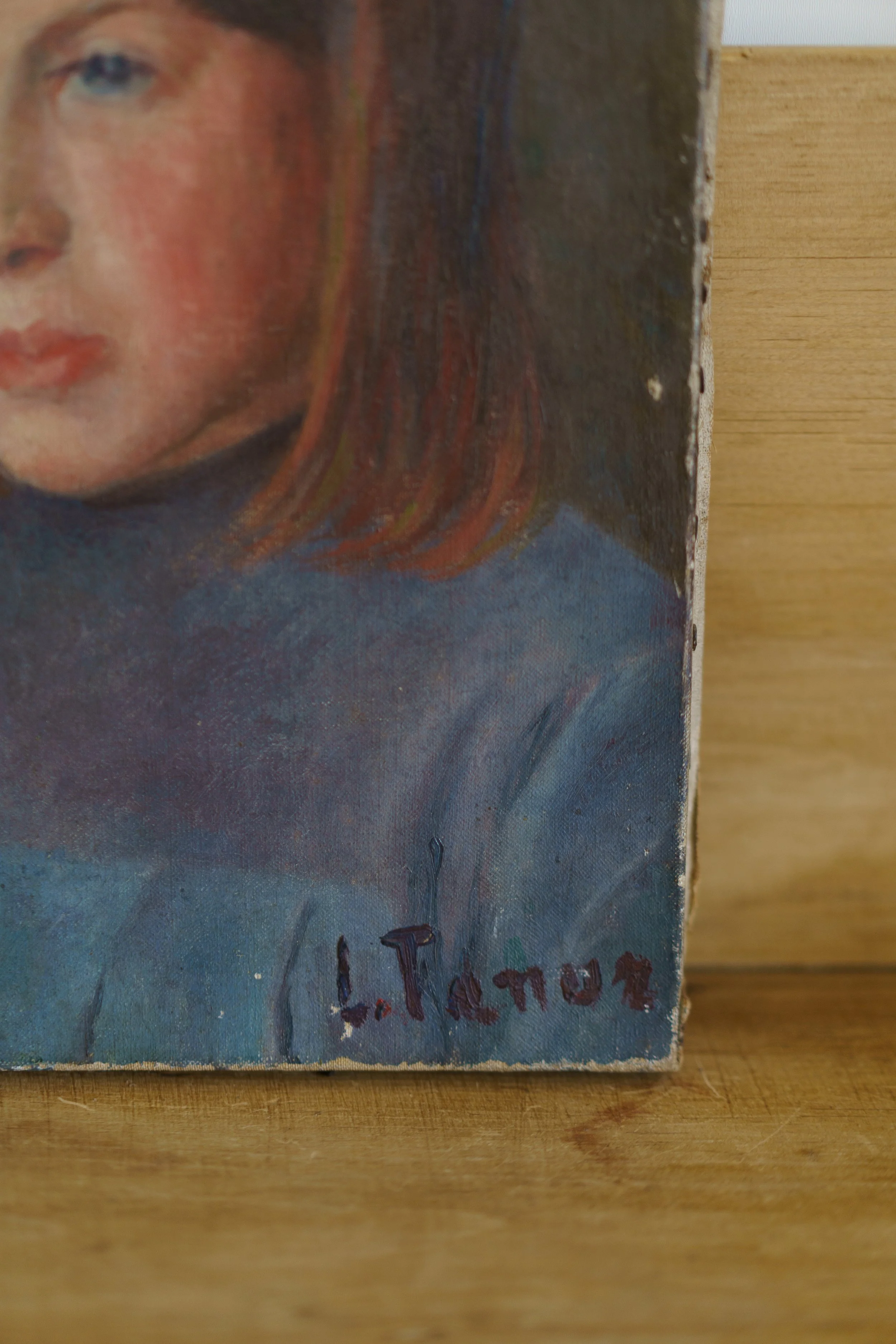
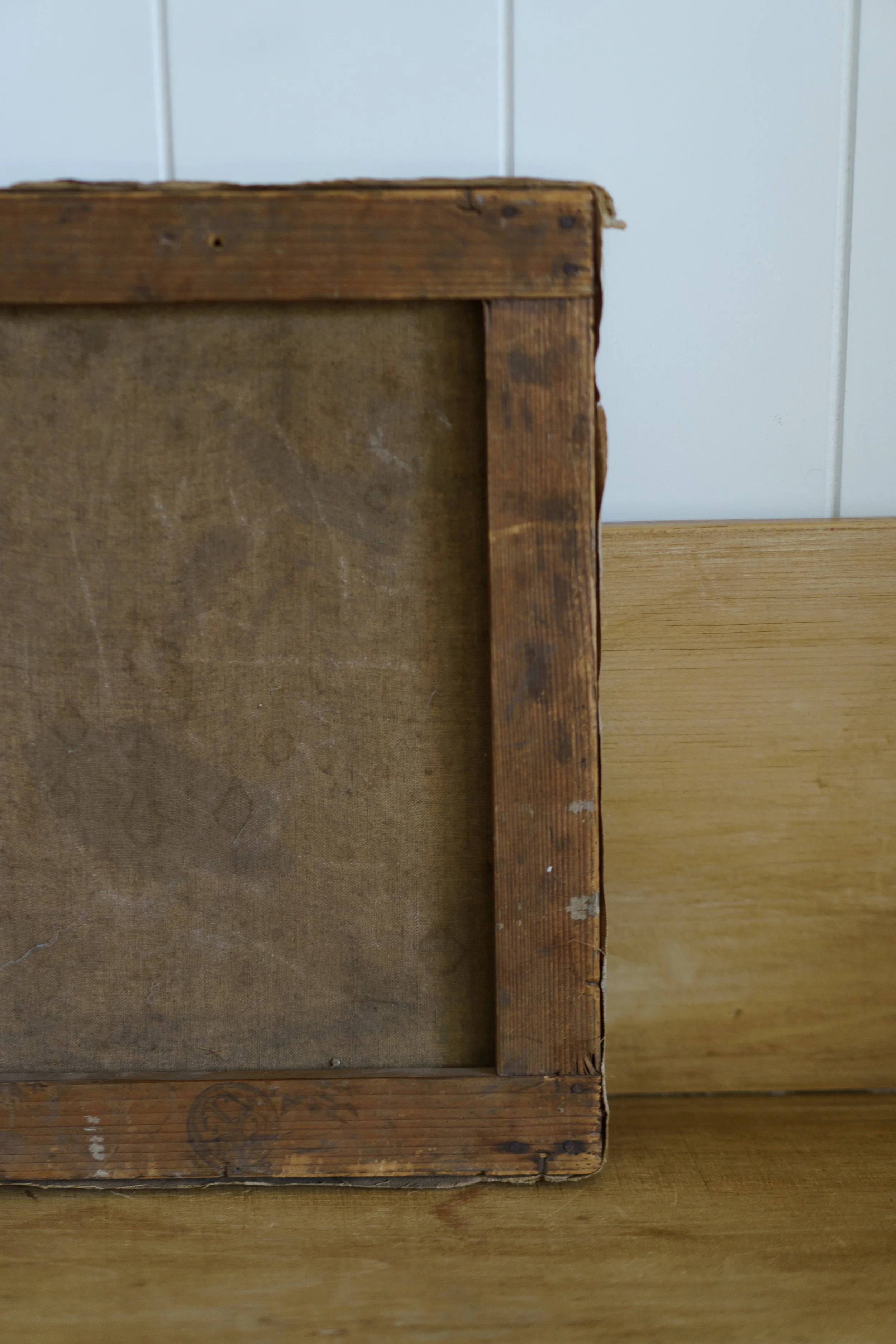
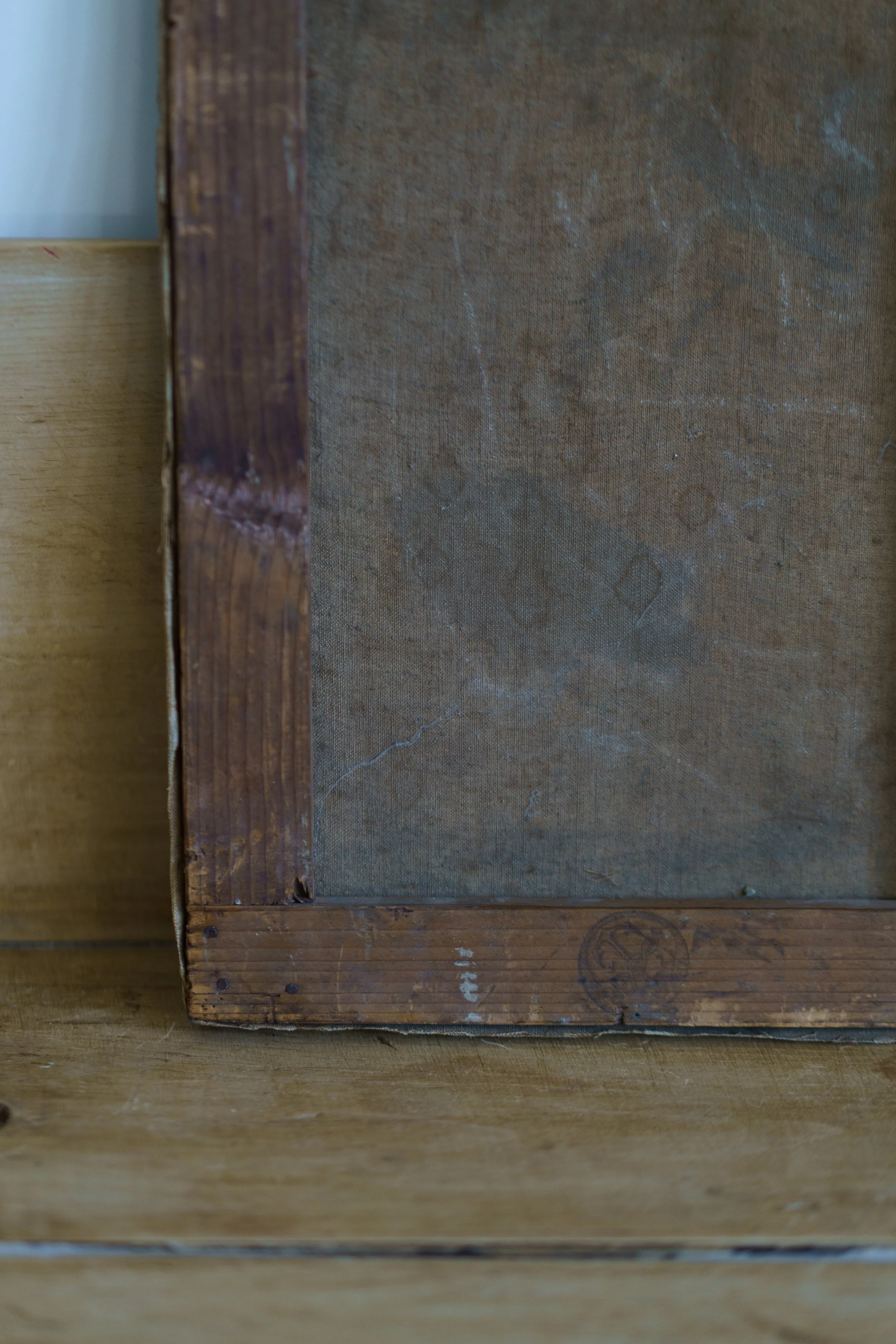
This painting is dated 1923, and was found in a market in Paris, France.